Nitrates in Luxembourg's water
The entire country is designated a nitrate vulnerable zone. Origins, health risks and filtration solutions.
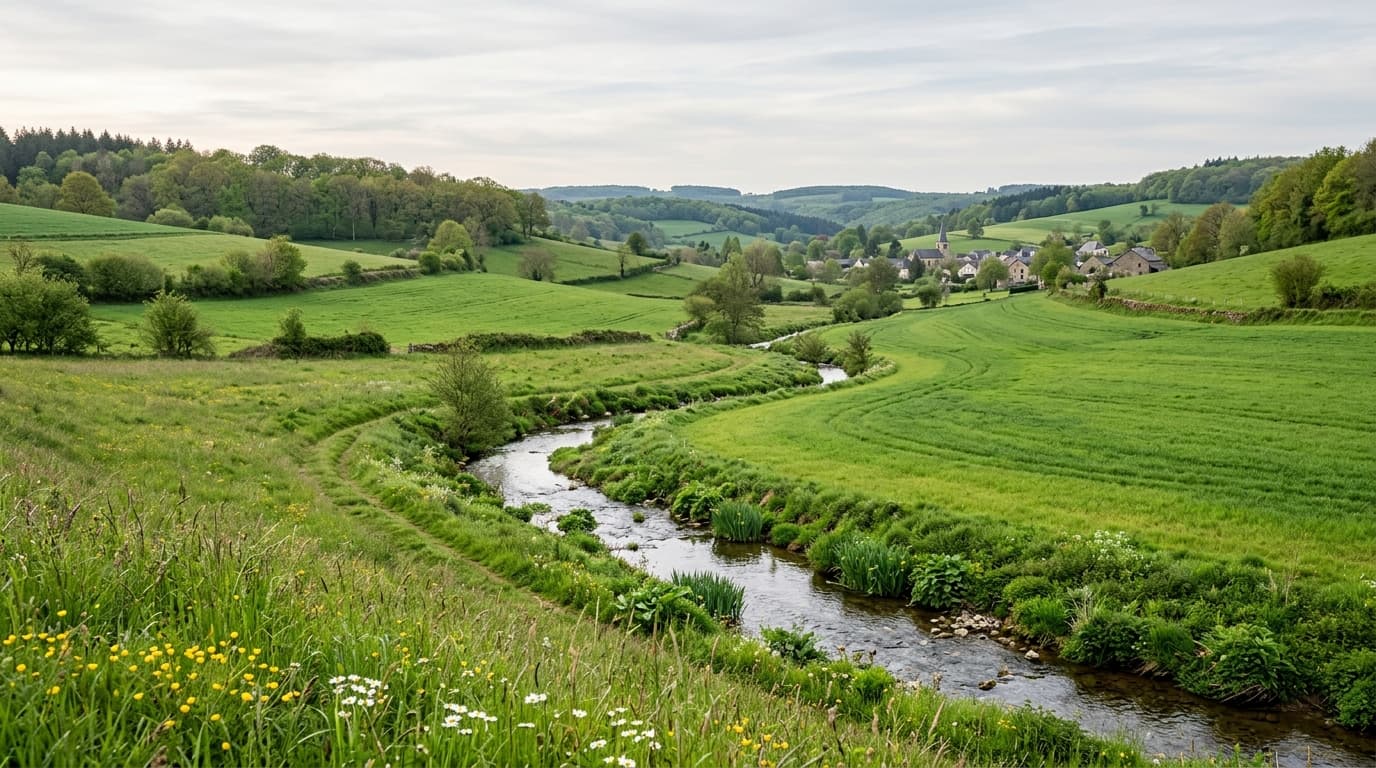
The whole of Luxembourg is a vulnerable zone
In accordance with the European Nitrates Directive 91/676/EEC, the Grand Duchy of Luxembourg has designated its entire territory as a nitrate vulnerable zone. This means that all of the country's groundwater — the source of the drinking water delivered to the tap — is considered potentially exposed to pollution by nitrates of agricultural origin.
Where do nitrates come from?
Nitrates come mainly from the nitrogen used in agriculture: mineral and organic fertilisers, slurry and livestock effluent. They are soluble in water and seep into the groundwater table. A concentration above 50 mg/L makes the water unfit to drink according to European standards.
Health risks
At high doses, nitrates can be converted into nitrites in the body. In infants, this can lead to methaemoglobinaemia (blue baby syndrome). In adults, some studies have examined links with digestive cancers, without any definitive consensus. The WHO recommends limiting exposure as much as possible, especially for pregnant women and newborns.
What to do at home?
An under-sink reverse-osmosis unit filters out 95–99% of nitrates, in addition to pesticides, heavy metals and pharmaceutical residues. It is the most effective solution for drinking and cooking water. At the scale of the whole house, a reverse-osmosis unit (point of use) is often combined with a water softener (point of entry) to treat both limescale and chemical pollution.